General Information
Urdu Language
Urdu, or Urdu Language, emerged following the conquest of the Turks in India, with a mixture of the local languages of that region and the languages spoken by Muslim soldiers, such as Persian, Arabic and Turkish. It is the official and national language of Pakistan. Urdu is one of the official languages of India besides Pakistan. It is also spoken by a large number of Pakistani and Indian immigrants whose native language is Urdu, from Bengal to the UK and many countries including the Gulf states. According to some sources, the number of native speakers of Urdu-Hindi languages is about 600 million. In addition to this number, considering the use of second languages, it is used by 970 million people worldwide. This shows that Urdu is a very useful and effective language in terms of communication. In the Collins Encyclopedia, the Urdu language is described as the 3rd largest language in the world. In some sources, it is written that it is the 2nd largest language in the world.
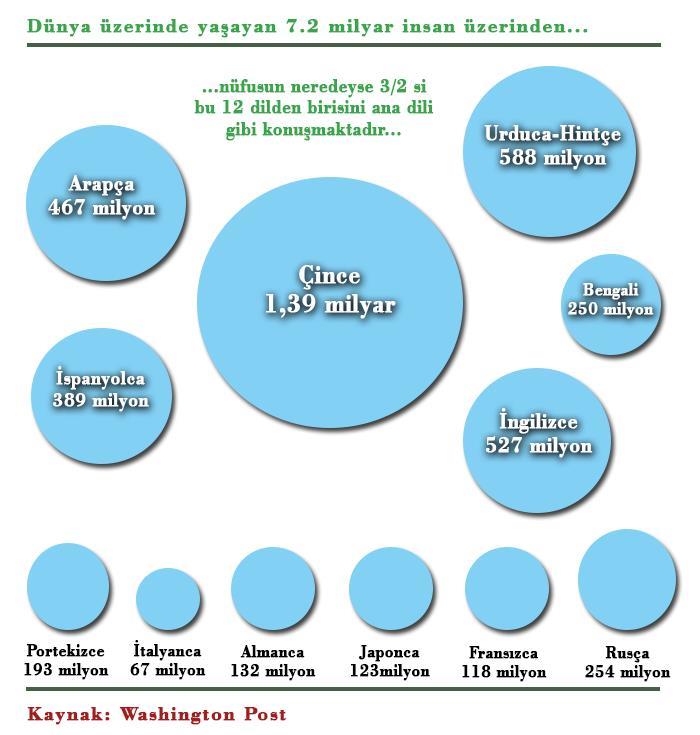
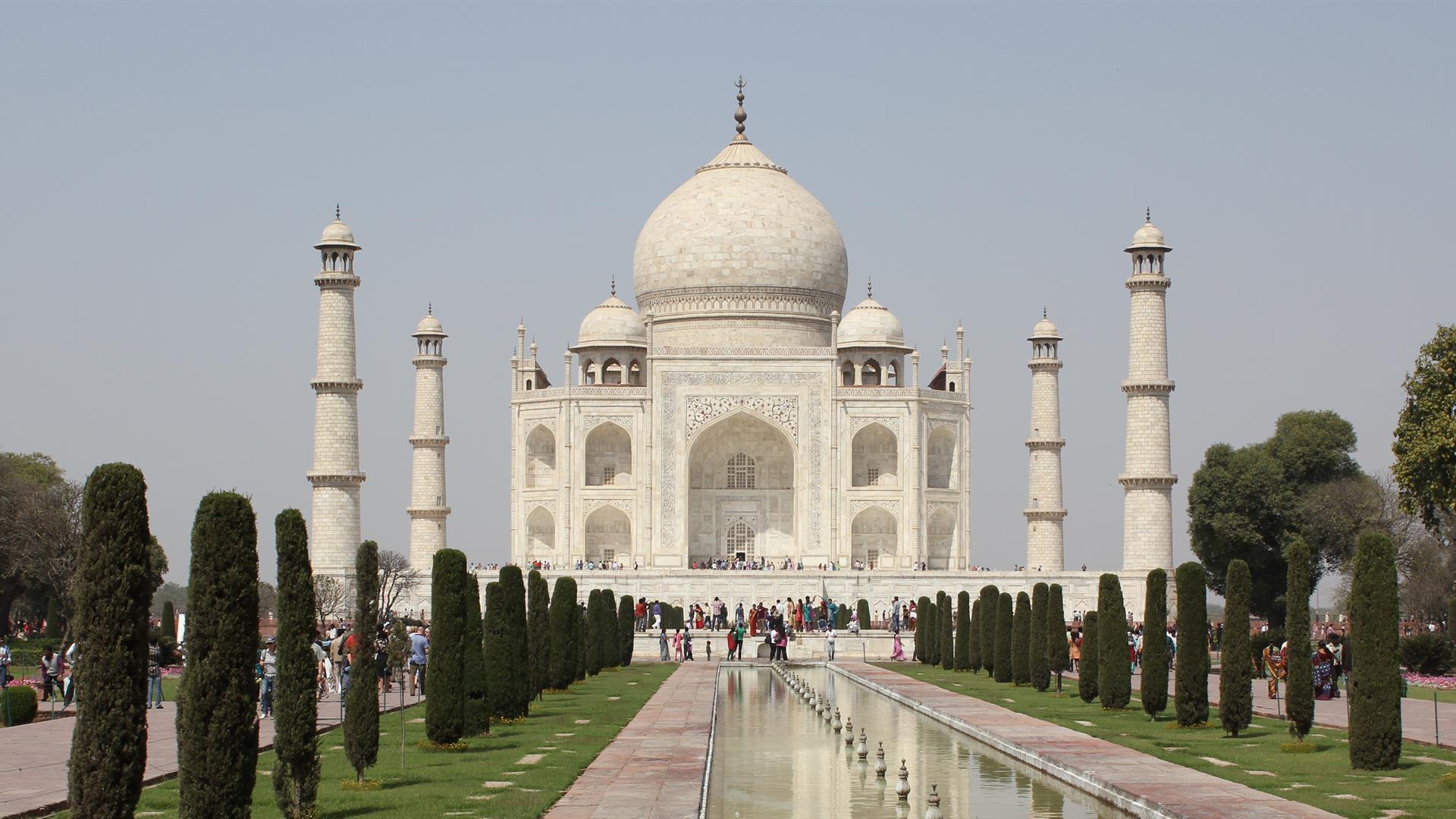
Urdu language has been used as a literary and cultural language in Pakistan and India for centuries and countless works have been produced in this language in every field. Thanks to the patronage and contributions of Turkish administrators and literary figures of Central Asian origin, the Urdu language has developed to the level of one of the world's leading languages and has produced many valuable works.
In addition, the following can be said about Urdu and Hindi: "These two languages are the same in spoken language. Although there are 100-200 different words between these two languages in daily life, the spoken language is Urdu. It should also be mentioned that written languages are absolutely different from one another, especially in the field of literature. Urdu has more Arabic and Persian words, while Indian has more Sanskrit words."
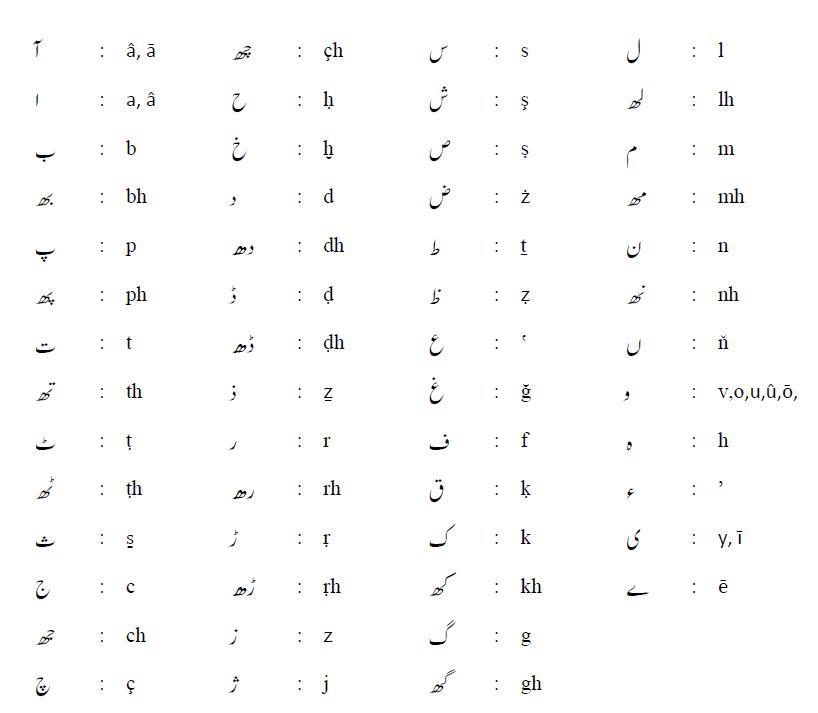
The Urdu language, which is largely influenced by Persian in terms of sentence structure, has reached a richness that meets all the sounds in these languages by taking various words from languages such as Hindi, Arabic, Turkish, Persian and also from indigenous languages. In this language, which is written in the Arabic alphabet, letters have been added for the Indian phonetics of plosive and lisp-nasal sounds.
An example of the Urdu alphabet is given in the picture below.
Urdu education in Turkey was first given in 1915 by Abduljabbar Hayri, a well-known Indian nationalist, at Daru'l-Funûn. The brothers Abduljabbar Khayri and Abdussettar Khayri left India at the end of the First World War and went first to Al-Azhar University in Egypt and then to the American University in Beirut for their education. One of the Hayri brothers, Abduljabbar Hayri, who left Beirut for Hejaz with the declaration of jihad during the First World War, started to work as an Urdu language instructor at Istanbul University, Faculty of Literature (Dar al-Funûn). Thus, the adventure of Urdu language education in Turkey began at Istanbul University.
However, the establishment of the Urdu Language Department dates back to the early 70s. After 1970, work began on the establishment of the Urdu Language Department in our faculty and various teachers from Ankara University came to our faculty to teach Urdu Language. For a while, the name of the Persian department was changed to "Persian Language and Literature and Pakistani Culture". However, these efforts failed. In 1985, during the reign of the late Zia-ul-Haq, the late Professor Ghulam Hussain Zulfiqar came to Istanbul and the steps to establish the department as an independent department were accelerated, and it was established in 1994 and has been continuing its education and training activities without interruption since then. The Department of Urdu Language and Literature offers education at all levels from undergraduate to doctoral degree. Currently, there are 8 faculty members including 3 professors, 1 associate professor, 1 dr. lecturer, 1 lecturer dr., and 1 research assistant dr., 1 research assistant. There are also more than 100 undergraduate students, 4 graduate students and 5 doctoral students.
Purpose of Our Department
The aim of the Department, which was established in 1994; To teach Urdu, which is intensely imbued with Turkish culture in the process of historical development, and to train philologists who will research, examine, introduce and publish with scientific methods the common culture and the sources written in this language.
Introduction to Urdu Language and Literature
ISTANBUL UNIVERSITY URDU LANGUAGE AND LITERATURE INTRODUCTION PAGE
• What is the history of Urdu Language education at Istanbul University?
• What does the program teach? What does this area of knowledge aim for?
Urdu Language and Literature program, which is included as a department within the Department of Oriental Languages and Literatures, includes courses such as Urdu grammar and applications, Turkish-Urdu and Urdu-Turkish translation, classical and modern text readings, Urdu literature and speech in general since the first year. The aim of our program is to teach Urdu, which is intensely imbued with Turkish culture in the process of historical development, and to train philologists who will research, examine, introduce and publish with scientific methods the common culture and the sources written in this language.
• What distinguishes our program from other departments in Turkey?
The fact that it is the first and deep-rooted program among Urdu Language programs in Turkey, that it has a strong teaching staff consisting of experienced Turkish and Indian professors and that it has bilateral agreements with the main universities of Pakistan and India are the features that distinguish our program from other programs in Turkey.
Urdu, or Urdu Language, emerged following the conquest of the Turks in India, with a mixture of the local languages of that region and the languages spoken by Muslim soldiers, such as Persian, Arabic and Turkish. It is the official and national language of Pakistan. Urdu is one of the official languages of India besides Pakistan. It is also spoken by a large number of Pakistani and Indian immigrants whose native language is Urdu, from Bengal to the UK and many countries including the Gulf states. According to some sources, the number of native speakers of Urdu-Hindi languages is about 600 million. In addition to this number, considering the use of second languages, it is used by 970 million people worldwide. This shows that Urdu is a very useful and effective language in terms of communication. In the Collins Encyclopedia, the Urdu language is described as the 3rd largest language in the world. In some sources, it is written that it is the 2nd largest language in the world.
Urdu language has been used as a literary and cultural language in Pakistan and India for centuries and countless works have been produced in this language in every field. Thanks to the patronage and contributions of Turkish administrators and literary figures of Central Asian origin, the Urdu language has developed to the level of one of the world's leading languages and has produced many valuable works.
In addition, the following can be said about Urdu and Hindi: "These two languages are the same in spoken language. Although there are 100-200 different words between these two languages in daily life, the spoken language is Urdu. It should also be mentioned that written languages are absolutely different from one another, especially in the field of literature. Urdu has more Arabic and Persian words, while Indian has more Sanskrit words."
The Urdu language, which is largely influenced by Persian in terms of sentence structure, has reached a richness that meets all the sounds in these languages by taking various words from languages such as Hindi, Arabic, Turkish, Persian and also from indigenous languages. In this language, which is written in the Arabic alphabet, letters have been added for the Indian phonetics of plosive and lisp-nasal sounds.
An example of the Urdu alphabet is given in the picture below.
Urdu education in Turkey was first given in 1915 by Abduljabbar Hayri, a well-known Indian nationalist, at Daru'l-Funûn. The brothers Abduljabbar Khayri and Abdussettar Khayri left India at the end of the First World War and went first to Al-Azhar University in Egypt and then to the American University in Beirut for their education. One of the Hayri brothers, Abduljabbar Hayri, who left Beirut for Hejaz with the declaration of jihad during the First World War, started to work as an Urdu language instructor at Istanbul University, Faculty of Literature (Dar al-Funûn). Thus, the adventure of Urdu language education in Turkey began at Istanbul University.
However, the establishment of the Urdu Language Department dates back to the early 70s. After 1970, work began on the establishment of the Urdu Language Department in our faculty and various teachers from Ankara University came to our faculty to teach Urdu Language. For a while, the name of the Persian department was changed to "Persian Language and Literature and Pakistani Culture". However, these efforts failed. In 1985, during the reign of the late Zia-ul-Haq, the late Professor Ghulam Hussain Zulfiqar came to Istanbul and the steps to establish the department as an independent department were accelerated, and it was established in 1994 and has been continuing its education and training activities without interruption since then. The Department of Urdu Language and Literature offers education at all levels from undergraduate to doctoral degree. Currently, there are 8 faculty members including 3 professors, 1 associate professor, 1 dr. lecturer, 1 lecturer dr., and 1 research assistant dr., 1 research assistant. There are also more than 100 undergraduate students, 4 graduate students and 5 doctoral students.
The aim of the Department, which was established in 1994; To teach Urdu, which is intensely imbued with Turkish culture in the process of historical development, and to train philologists who will research, examine, introduce and publish with scientific methods the common culture and the sources written in this language.
ISTANBUL UNIVERSITY URDU LANGUAGE AND LITERATURE INTRODUCTION PAGE
• What is the history of Urdu Language education at Istanbul University?
• What does the program teach? What does this area of knowledge aim for?
Urdu Language and Literature program, which is included as a department within the Department of Oriental Languages and Literatures, includes courses such as Urdu grammar and applications, Turkish-Urdu and Urdu-Turkish translation, classical and modern text readings, Urdu literature and speech in general since the first year. The aim of our program is to teach Urdu, which is intensely imbued with Turkish culture in the process of historical development, and to train philologists who will research, examine, introduce and publish with scientific methods the common culture and the sources written in this language.
• What distinguishes our program from other departments in Turkey?
The fact that it is the first and deep-rooted program among Urdu Language programs in Turkey, that it has a strong teaching staff consisting of experienced Turkish and Indian professors and that it has bilateral agreements with the main universities of Pakistan and India are the features that distinguish our program from other programs in Turkey.